
Related products
Installation:
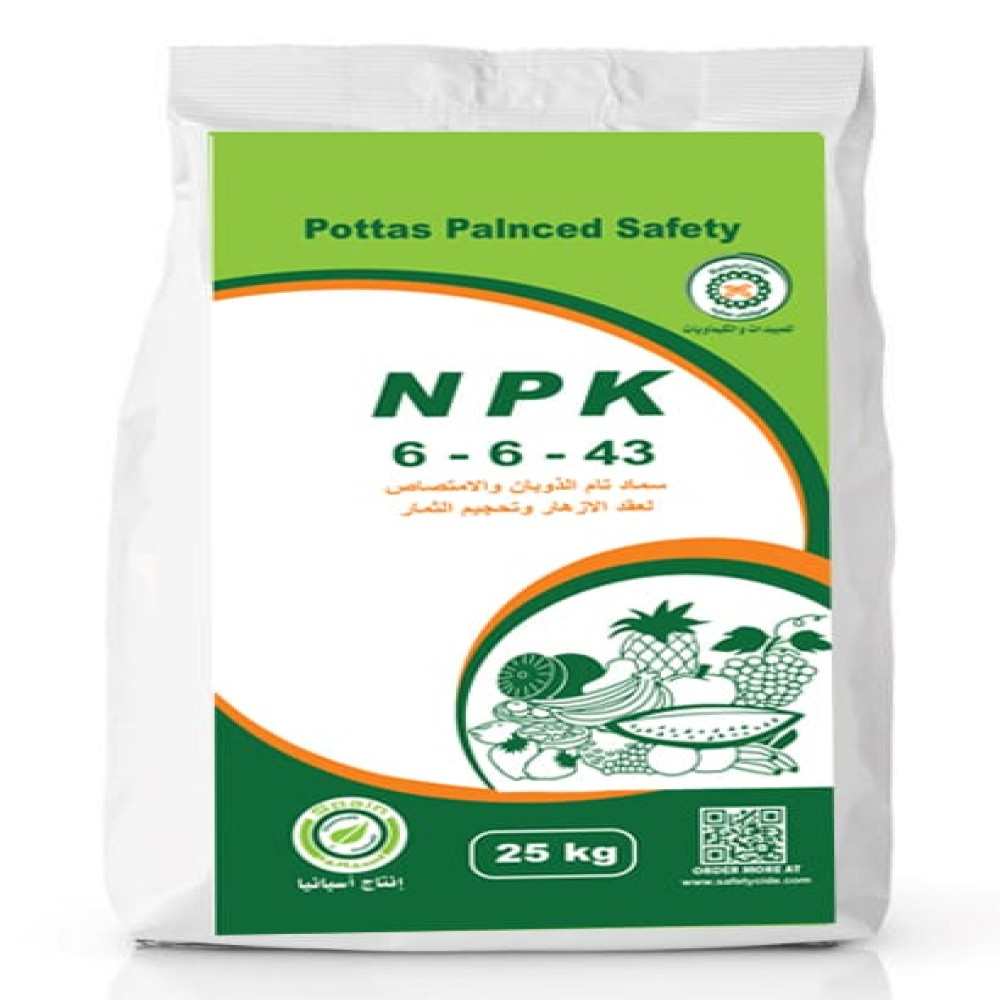
نيتروجين : %6
فوسفور: 6 %
بوتاسيوم: 43 %
Benefits of the compound:
Compound benefits
Manufactured from high-quality raw materials that are soluble and quickly absorbed
.سماد يحتوي عالي نسبه عالية من البوتاسيوم غني بنترات البوتاسيوم سريع الذوبان والامتصاص لذلك يسخدام في تحجيم الثمار وزياده الانتاج
.سماد مصدر الفوسفور سريع الذوبان والامتصاص
. High-purity crystalline fertilizer that is completely soluble in water
.حامضى التاثير مما يزيد من صلاحية العناصر الصغرى والكبرى للامتصاص
. يزيد التفريع في كل من شتلات محاصيل الخضار والفاكهة
Usage rates
| stage to use | Dosage (kg/acre/day) | The crop |
| Immediately after transplanting | 2-3 | Vegetables |
| Before flowering | 2-4 | the fruit |
| Branching stages | 1.5-2 | Field crops |
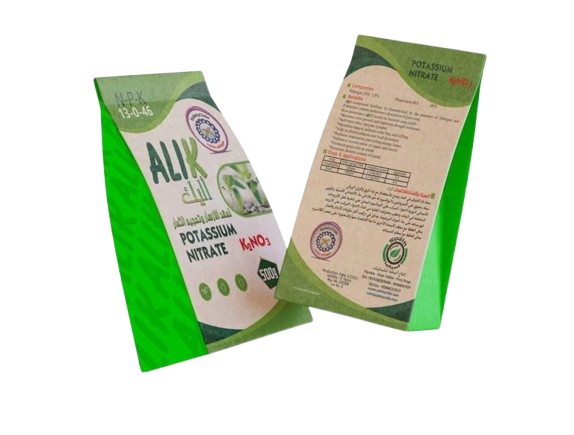
Installation:
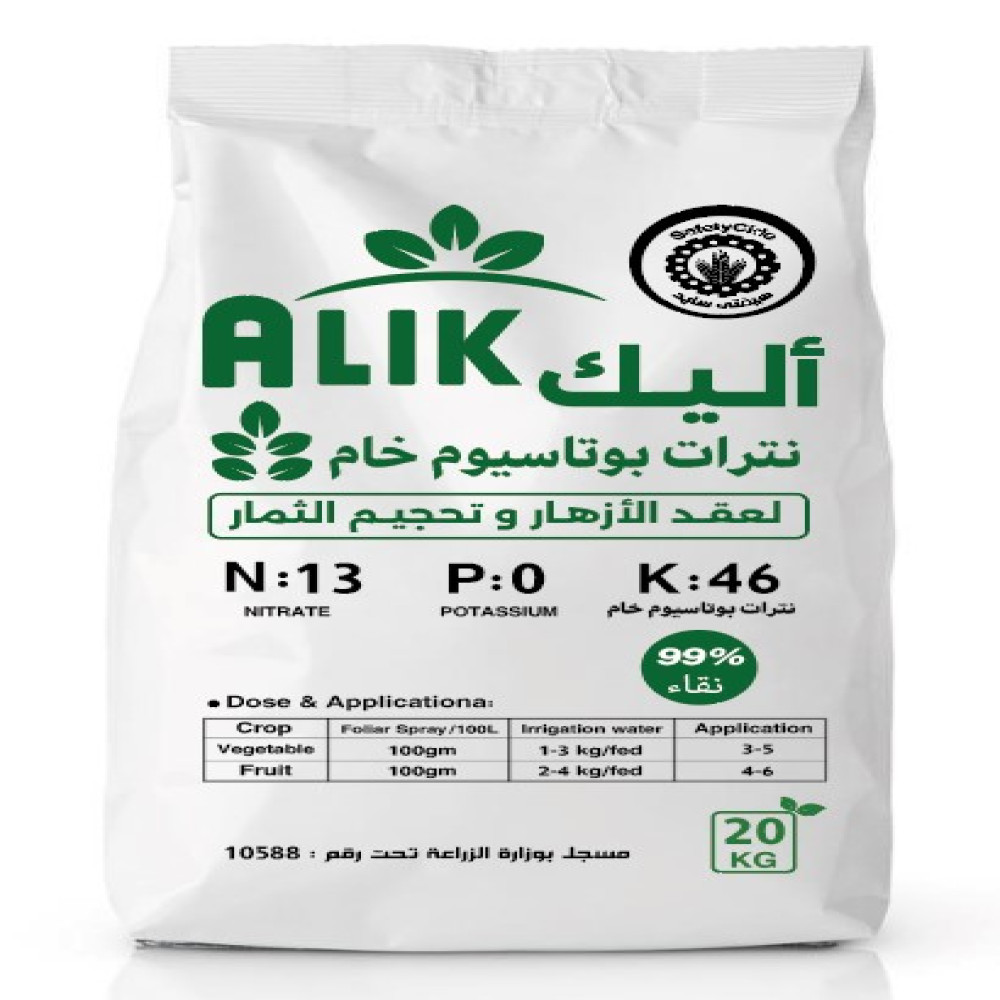
Nitrogen :13%
Potassium: 46%
A fertilizer rich in potassium in the purest and most powerful form of potassium for absorption, which is the form of potassium nitrate. The (Elec) product is distinguished by containing potassium nitrate with a purity of 99.9%. Therefore, the compound is used as a spray on the shoots or ground fertilization to help hold the flowers and size the fruits.
Fertilizer (Potassium Alic) provides additional benefits including
High purity and low percentage of salts. – Humidity level is low. – Low acidity, rapid flow. – Rapid dissolution
– High percentage of nitrogen and potassium
Potassium nitrate (Potassium Alec) is easy and safe to use on crops, flowers, vegetables, strawberries, plants (indoor and outdoor), teak, potatoes, fruit trees, grapes, citrus fruits, pineapples, cotton, bananas, mangos, olives, tomatoes, potatoes, home gardens and green spaces.
يوفر اليك K Many positive effects such as, increased root growth, improves drought resistance, reduces water loss and wilting, improves winter cold resistance and improves resistance to pests and diseases.
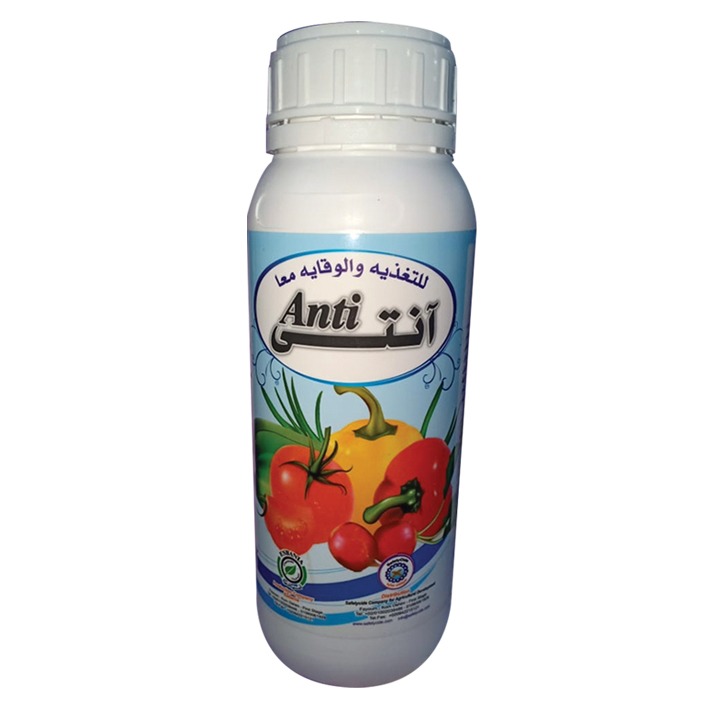
Installation:
26.1%: phosphorus
22.7%: potassium
Compound features
Anti fertilizer is fast absorbed because the elements carry amino acids, carboxylic acids and monosaccharides. The compound is characterized by the presence of phosphorus in two forms: Phosphate as nutrition and phosphate as prevention and treatment of: Fungal diseases such as: Downy mildew and mealybug diseases in onions Cucumber Cantaloupe Grapes
3- Diseases of the fungus of Fitunshra such as: late blight in potatoes and tomatoes
2- Diseases of pythium fungi and fusarium on: seedlings of vegetables and fruits (root rot).
It also contains potassium and also zinc and magnesium, so the Ante compound has a major role in the plant, especially in raising plant immunity, and also works Ante fertilizer to raise the efficiency of the flowering process, nodes, growth and development of fruits in different crops, which increases the size of the crop and quality in terms of color, shape and taste
Dosage and rate of use:
Fertilization (root rot) immediately after seedling and 500 cm / acre
. Fertilization ( Niol Fusarium ) : liter / acre .
Spraying (fungal infection such as downy mildew, mealybug and pollin): 500 cm / 200 liters of water
94 in stock

Installation:
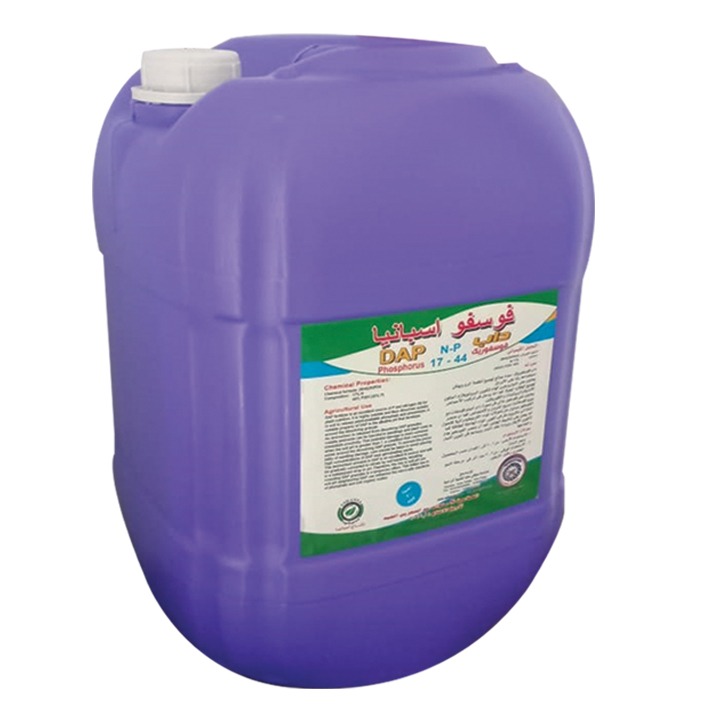
Nitrogen: 17%
Phosphorus: 44%
Compound features:
Dab Phosphoric. It is a fertilizer suitable for all irrigation systems and can be used as a spray on the leaves. It contains nitrogen, which is important for the formation of protoplasm, which makes up all living cells. It is also involved in the synthesis of amino acids, proteins, and chlorophyll. It contains high phosphorus in the form of di-aminophosphate with urea phosphoate, which dissolves quickly and is absorbed. Phosphorus is also responsible for the transformation of carbohydrates, such as starch into sugar, and is involved in the formation of energy-carrying substances. It also works to stimulate the roots. Phosphorus is also important for the formation of flowers and increasing flower formation. Fruits and helps in coloring and ripening the fruits
Usage rates
– Ground use: from 2 to 5 liters per artist, depending on the crop and the age of the plant
– Foliar use: 2-3 cm/L during the vegetative growth stage and before flowering

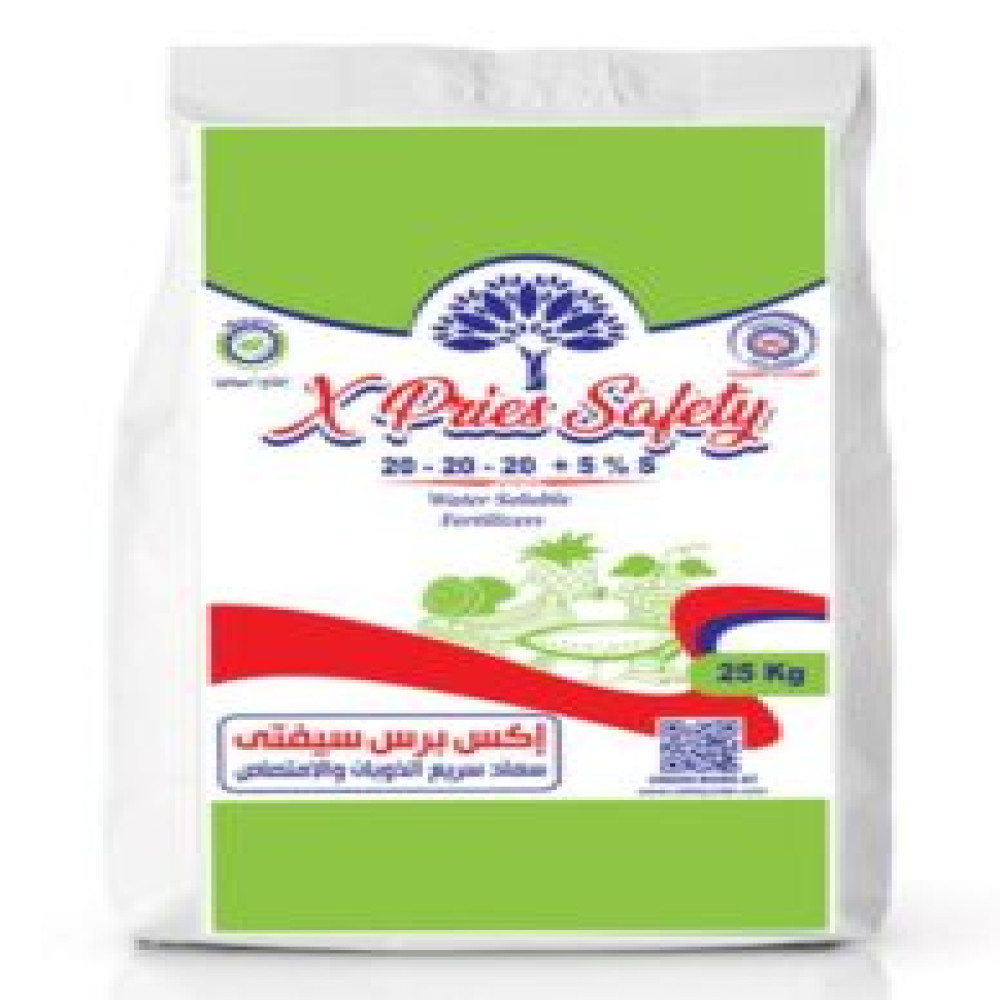
Installation:
Nitrogen:20%
%phosphorus: 20
% Potassium: 20
Compound features
X-Press is an integrated ground and foliar fertilizer that contains a group of macroelements and microelements that are quickly dissolved and absorbed
X-Press contains nitrogen, phosphorus and potassium in pure, easily absorbed forms, so it increases the total. The vegetative
X-Press treats the symptoms of macro- and micro-element deficiency in plants. X-Press reduces stress resulting from heat and frost
Usage rates
| stage to use | Dosage (kg/acre/day) | The crop |
| Immediately after transplanting | 2-3 | Vegetables |
| Before flowering | 2-4 | the fruit |
| Branching stages | 1.5-2 |
Field crops |
89 in stock


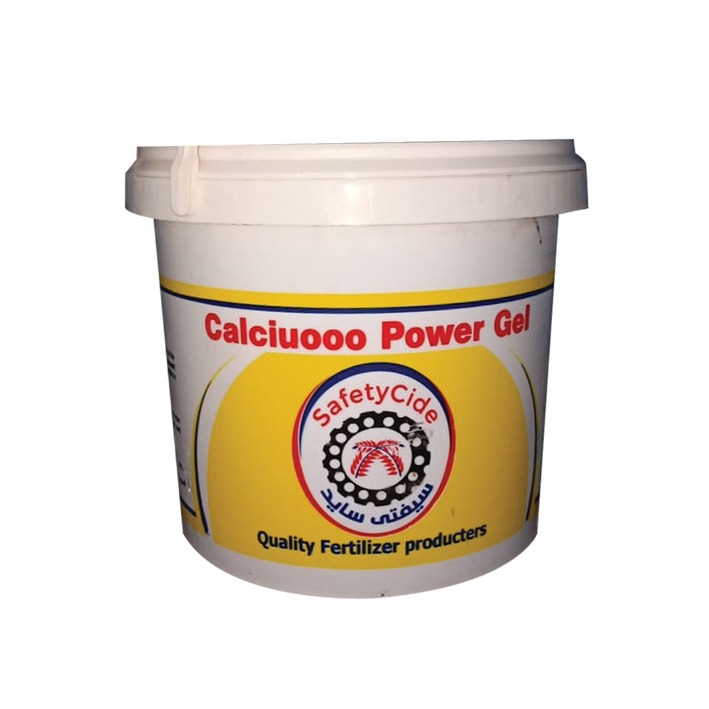


Installation:
Nitrogen: 15.5%
Calcium oxide: 26% = 18.5 mineral calcium
Compound features:
A quickly soluble fertilizer compound in water, consisting of two ideal elements: nitrogen and calcium, which can be easily absorbed by the plant
This formula is completely soluble in water, which works to provide the plant with these two elements with a high efficiency that is unparalleled in other fertilizers. – This formula is an uncoated granule that dissolves quickly and can be used in greenhouses and open fields, whether through sprinkler or drip irrigation systems.
- Calcium has an effective role in the movement of carbohydrates in the plant and increases the thickness of the outer peel of the fruits, which helps in their transport and storage. - Calcium increases the plant’s resistance to diseases (seed end rot, nail head rot, fruit cracking, prevention and treatment of calcium deficiency)
Calcium works to reduce salinity in the soil when used through drip irrigation. Nitrogen helps build protein quickly inside the plant
Calcium plays an important role in activating enzymes and meristematic tissues in the growing tips and encourages the growth of root hairs
Calcium helps increase production, improve fruit color and thickness, and improve fruit properties
Note: OSHA calcium nitrate dissolves 100% in plain water (complete dissolution)
Usage rates, through fertilization of 3/8 kg per acre or according to the fertilization program or the nature of the land and the plant’s needs.


Reviews
There are no reviews yet.